Sodium Bicarbonate 4.2% Injection
Sodium bicarbonate 4.2% injection is a sterile intravenous electrolyte solution used to treat metabolic acidosis and other conditions requiring systemic alkalinization. The 4.2% solution contains a high concentration of sodium bicarbonate (about 42 mg/mL, providing 0.5 mEq each of Na⁺ and HCO₃⁻ per mL). This solution is hypertonic and has a near-alkaline pH (~7.0–8.5). When given IV, it increases blood bicarbonate levels, buffers excess hydrogen ions, and raises blood pH, thereby correcting acidosis. In the body, bicarbonate combines with hydrogen ions to form carbonic acid, which then converts to carbon dioxide (exhaled by the lungs).
Uses (Indications)
According to official prescribing information, sodium bicarbonate injection is indicated for treatment of metabolic acidosis in various critical settings. For example, it is used in severe acidosis associated with:
-
Renal failure: When kidneys cannot reabsorb bicarbonate, patients develop acidosis that needs correction.
-
Uncontrolled diabetes (DKA): Ketoacidosis can cause dangerously low pH (though insulin is primary treatment). Bicarbonate may be given if pH is extremely low.
-
Circulatory shock or severe dehydration: Shock (from bleeding, sepsis, etc.) and dehydration can lead to lactic acidosis. Bicarbonate may be used as a bridge while restoring circulation or fluids.
-
Cardiac arrest: During CPR, severe acidosis (from low perfusion) can occur. Sodium bicarbonate may help neutralize acid during resuscitation.
-
Extracorporeal circulation: Procedures like cardiopulmonary bypass or hemodialysis can disturb acid–base balance; bicarbonate is used to counteract acidosis.
It is also indicated for certain poisonings or toxin exposures where alkalinizing the blood or urine is beneficial. These include:
-
Aspirin (salicylate) overdose: Bicarbonate can help ionize the drug and reduce CNS uptake.
-
Barbiturate poisoning: Raises blood/urine pH to promote excretion of barbiturates (which are weak acids).
-
Methanol or ethylene glycol poisoning: Helps slow conversion of toxins to acids and increases excretion.
-
Hemolytic reactions: In patients with massive hemolysis, bicarbonate is given to alkalinize the urine and prevent kidney damage from hemoglobin breakdown products.
Furthermore, sodium bicarbonate injection may be used for severe acidosis from other causes (e.g. prolonged seizures, severe diarrhea with bicarbonate loss) where urgent correction of pH is needed. In all cases, treating the underlying cause (e.g. giving insulin for DKA, fluid for shock) must be done in parallel.
Administration and Dosage
This medication is given intravenously only under medical supervision (usually in a hospital). The dose and rate depend on the patient’s blood pH, plasma CO₂ (bicarbonate) level, and body size. Common principles:
-
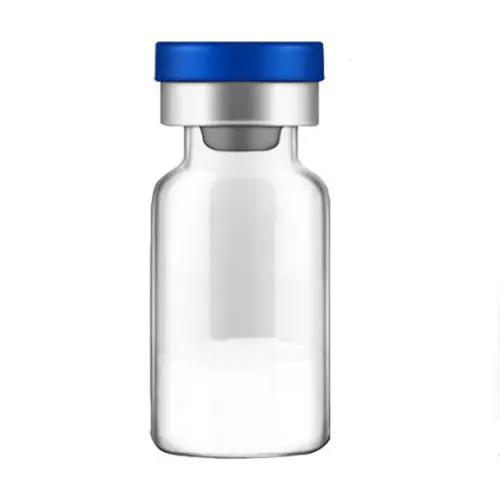
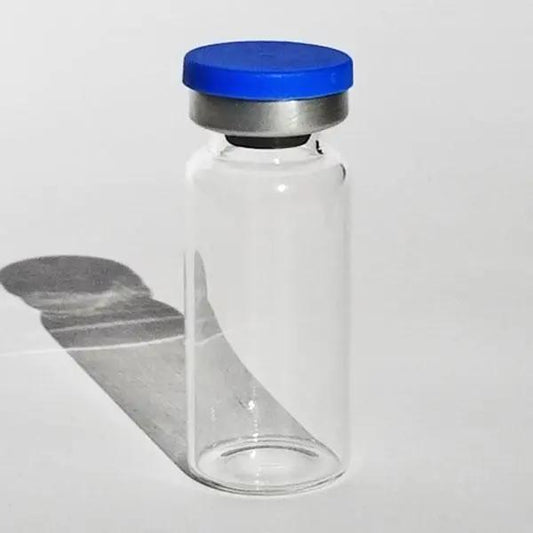
Concentration and equivalence: 4.2% solution means 4.2 grams per 100 mL. Each mL contains 0.5 mEq of bicarbonate. For reference, a full 50 mL vial of 4.2% contains 2.1 grams (approximately 25 mEq) of bicarbonate.
-
Dosing: Often, doctors may give 1–2 ampules (50–100 mL) of 4.2% solution IV as a bolus or over 10–20 minutes, then reassess. Larger, slower infusions may be needed for ongoing therapy. (In emergent cases like cardiac arrest, 1 ampule may be given rapidly, but caution is needed.)
-
Administration: Only use a new sterile syringe and needle. Draw up the required volume (discard any unused portion, as it’s meant for single-dose use). Inject or infuse slowly—rapid injection can cause severe hypotension. It is often diluted in IV fluid (e.g. with normal saline or D5W) and infused with a pump. The medical team will monitor blood gases, electrolytes, and vital signs during administration.
-
Monitoring: Expect the patient to have frequent blood gas checks (pH, bicarbonate levels) to see if acidosis is corrected. Doses are often split into 4–6 hour intervals if needed, since infusion shifts the buffer system gradually.
The goal is to raise blood bicarbonate to a safe level (often targeting a pH in the low 7s). Overcorrection is dangerous, so it’s given in fractional doses and labs are rechecked. Medical staff will also watch fluid balance, as the solution adds significant sodium and volume.
Side Effects and Precautions
Because sodium bicarbonate injection strongly affects pH and sodium load, it has important risks:
-
Alkalosis: If too much bicarbonate is given, metabolic alkalosis can occur. Symptoms of alkalosis include muscle twitching, irritability, tetany or cramps (from low calcium/phosphate), and confusion. To avoid this, dosage is guided by blood tests. Bicarbonate therapy is usually reserved for severe acidosis, not mild cases.
-
Sodium and fluid overload: Each mL of 4.2% contains 0.5 mEq Na⁺. Large doses can deliver many milliequivalents of sodium, potentially leading to hypernatremia or worsened edema. Patients with heart failure, kidney failure, hypertension, or fluid retention must be given this drug cautiously (if at all), because they may not handle the extra salt and water.
-
Infiltration injury: The solution is highly alkaline and hypertonic. If the IV leaks into the tissue (extravascular infiltration), it can cause severe tissue injury. Cases of chemical cellulitis and tissue necrosis have been reported after infiltration of sodium bicarbonate. Medical staff will ensure the IV site is well-placed and will stop infusion immediately if swelling or pain is noted. If infiltration occurs, they recommend elevating the limb and sometimes injecting saline or lidocaine around the site to dilute the bicarbonate.
-
Electrolyte shifts: As blood pH rises, calcium and potassium levels can drop. Severe alkalosis can cause hypokalemia (leading to arrhythmias) and hypocalcemia (causing muscle cramps or spasms). Potassium and calcium levels should be monitored and replaced as needed when giving this drug. In fact, the labeling warns that potassium depletion can precipitate alkalosis, and hypocalcemia can trigger spasms as pH rises.
-
Ventilation/CO₂: Although not explicitly stated in the label, it’s clinically important to know that bicarbonate administration generates CO₂ in the body (from HCO₃⁻ + H⁺ → CO₂ + H₂O). If the patient is not ventilating well (e.g. respiratory failure), the additional CO₂ can build up, which may limit the effectiveness of bicarbonate therapy. In practice, patients receiving bicarbonate infusions are often on mechanical ventilation or have good respiratory function, so CO₂ can be blown off.
Contraindications: Do not give sodium bicarbonate if the patient already has metabolic alkalosis or is losing chloride (e.g. vomiting, continuous GI suction), because bicarbonate would worsen their imbalance. Also avoid use if the patient is on certain diuretics (like loop diuretics) that cause hypochloremic alkalosis.
Drug Interactions: Bicarbonate can precipitate calcium-containing solutions, so avoid mixing it with IV solutions that have calcium (like calcium gluconate) unless compatibility is confirmed. It may also interact with some vasoactive drugs; for example, norepinephrine/dobutamine are incompatible. Always flush the IV line before and after bicarbonate administration.
Key Points
-
Purpose: Sodium bicarbonate 4.2% IV is a stong alkalinizing solution used in hospitals for life-threatening acidosis (e.g. severe renal failure, DKA, shock, cardiac arrest) and certain poisonings. It is not a routine medication or oral household remedy.
-
Administration: Given only by healthcare professionals. It must be diluted and infused or slowly injected IV, with continuous monitoring of blood pH and electrolytes. Rapid or excessive dosing can be harmful.
-
Risks: Major risks include overcorrection to alkalosis, high sodium load (fluid overload, high blood pressure), and tissue injury from extravasation. Beware of alkalosis symptoms (twitching, cramps) and neurological changes. Adequate ventilation is needed to clear the CO₂ produced.
-
Use Wisely: The underlying cause of acidosis must also be treated (e.g. insulin for DKA, fluids for shock). Bicarbonate is a temporizing measure to raise pH quickly while definitive therapy takes effect.
Disclaimer: The information is for general knowledge and not personal medical advice.









![(2-Pack) Airtag Hard ABS Case, IPX8 Waterproof, Dust & Scratch Resistance, Rugged Strong & Sturdy AirTag case, Adhesive Stick-on Mount case (1N) & Magnetic Mount case (1N) [AirTag NOT Included]](http://himkhand.com/cdn/shop/files/81-wwbjOIBL.jpg?v=1769007677&width=533)
![(2-Pack) Airtag Hard ABS Case, IPX8 Waterproof, Dust & Scratch Resistance, Rugged Strong & Sturdy AirTag case, Adhesive Stick-on Mount case (1N) & Magnetic Mount case (1N) [AirTag NOT Included]](http://himkhand.com/cdn/shop/files/71VDWzaY7gL.jpg?v=1769007677&width=533)