IV Bags (Intravenous) IV Fluid Solutions
Intravenous (IV) fluids are sterile solutions given directly into a vein to replace water, electrolytes, and nutrients, or to deliver medications. They are used in many medical situations – for example, to restore blood volume in bleeding, shock or dehydration, to correct electrolyte imbalances, to replace ongoing fluid losses, or to provide maintenance fluids when oral intake is not possible. IV fluids fall into two main categories: crystalloids (water with small solutes like salts or dextrose) and colloids (water with large molecules like proteins or starches). Crystalloids are by far the most common because they are inexpensive and safe.
-
Crystalloids: These are aqueous electrolyte solutions. Common examples are sodium chloride (saline) and “balanced” solutions (which include buffers/minerals). They are further classified by osmolarity/tonicity:
-
Isotonic solutions: e.g. 0.9% Normal Saline (NS) and Lactated Ringer’s (LR) or Plasma-Lyte. These have an osmolarity close to blood (~275–310 mOsm/L) and tend to stay in the extracellular space (blood + interstitial fluid). NS contains ~154 mEq/L of Na⁺ and Cl⁻ (308 mOsm), whereas LR contains Na⁺~130, Cl⁻~109, K⁺~4, Ca²⁺
1.5, and lactate28 mEq/L (osm ~273). The lactate in LR is metabolized to bicarbonate, making LR more “buffered” (less acidifying) than NS. Isotonic crystalloids are preferred for fluid resuscitation (e.g. rapid IV boluses in shock). Mixed isotonic solutions that include dextrose (see below) are often used for maintenance fluids.
-
Hypotonic solutions: e.g. 5% dextrose in water (D5W) and half-normal saline (0.45% NaCl). D5W starts out isotonic (252 mOsm) but, once the glucose is taken up by cells, it effectively behaves like free water, distributing equally throughout total body water (including intracellular fluid). Half-normal saline (77 mEq/L Na/Cl, 154 mOsm) provides both water and some salt; it slowly shifts fluid into cells. These hypotonic fluids are used to correct free-water deficits (e.g. hypernatremia) or for gentle maintenance hydration. They must be used cautiously to avoid hyponatremia or cellular swelling.
-
Hypertonic solutions: e.g. 3% or 5% NaCl. These very high-sodium fluids draw water from cells into the bloodstream. They are used only in critical situations (severe hyponatremia or cerebral edema). Such fluids require extreme caution and frequent monitoring (rapid shifts in serum sodium can cause osmotic demyelination).
-
Dextrose (sugar) solutions: e.g. D5W, D10W (5% or 10% dextrose in water) or mixed fluids like D5NSS (5% dextrose in NS). D5W serves as an isotonic volume expander initially but quickly becomes hypotonic after glucose is metabolized, providing calories (~170 kcal/L) and free water. Higher dextrose percentages (e.g. D50W) are used for acute hypoglycemia boluses, not routine fluid maintenance.
-
Other crystalloids: Specialized balanced fluids include Plasma-Lyte and Normosol (contain acetate or gluconate buffers), and Ringer’s acetate. These are similar to LR but use different buffers; all aim to approximate plasma electrolyte composition. (E.g. Plasma-Lyte A has Na 140, K 5, Cl 98, Mg 1.5, acetate/gluconate buffer).
-
Colloids: These contain large molecules that stay in the bloodstream. Examples include albumin (a natural plasma protein, used as 5% or 25% solution), dextran, hydroxyethyl starch (Hes), and gelatins. Colloids pull fluid into vessels by raising oncotic pressure. In theory, they expand intravascular volume more efficiently than crystalloids. In practice, however, colloids are rarely used today because of cost and side effects (allergy, kidney injury). (E.g. human 5% albumin has similar volume effect to saline but with plasma proteins.) Colloid solutions are reserved for special cases (e.g. very low serum protein levels).
How They Work in the Body
When an IV fluid is infused, it rapidly mixes with blood and flows through the circulatory system. Body water is distributed roughly 60% of body weight (about 42 L in a 70 kg person): ~40% intracellular fluid (inside cells) and ~20% extracellular fluid (outside cells). Of that extracellular fluid, most is in tissues (interstitial, ~75–80%) and only about 20–25% is in blood vessels. Thus, isotonic crystalloids primarily expand the extracellular compartment – they enter the bloodstream but then distribute between blood and tissues. In fact, only about 1 in 4 liters of an isotonic crystalloid stays in the circulation. For example, 1 liter of IV normal saline or Ringer’s lactate typically expands blood volume by only ~250 mL, the rest filtering into the tissues. This is why large volumes (e.g. 2–3 liters) are often needed for resuscitation.
Hypotonic solutions (like 0.45% saline or D5W) will draw water into cells, increasing intracellular volume as well as extracellular. Hypertonic solutions (like 3% NaCl) do the opposite, pulling fluid out of cells into the bloodstream. Electrolytes and buffers in the fluids also have effects: for instance, intravenous lactate (in LR) is metabolized by the liver into bicarbonate, which can help correct acidosis. Dextrose provides calories (metabolized by cells) and results in free water distribution.
Key effects: In general, an isotonic crystalloid will raise blood pressure and blood volume transiently, improve tissue perfusion (“fill the tank” of circulation) and dilute blood electrolytes. Because it disperses quickly, its effect is relatively short-lived unless you continue infusion. Balanced solutions like LR act as a buffer. D5W after metabolism effectively provides free water (which can dilute serum sodium). Colloids, by contrast, tend to hold fluid intravascularly and expand plasma volume more relative to interstitial volume, although this benefit is now considered marginal in most patients.
Types of IV Fluids
-
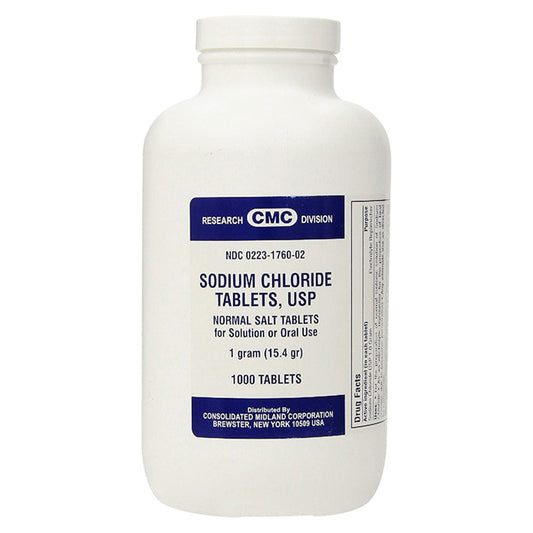
Normal Saline (0.9% NaCl): The classic “IV salt water.” Used for resuscitation, IV medications, or fluid boluses. Downloads into extracellular fluid (about 25% intravascular). Pitfall: large volumes can cause hyperchloremic metabolic acidosis and increased interstitial edema.
-
Lactated Ringer’s (LR, Hartmann’s solution): A balanced isotonic fluid. Contains Na, Cl, K, Ca, and lactate (a buffer). Because its composition is closer to plasma, LR is often gentler on the kidneys and acid-base balance than saline. Commonly used in surgery, trauma, burns, and dehydration.
-
Plasma-Lyte/Normosol: Similar to LR (contain multiple electrolytes and acetate/gluconate buffers, no Ca), with osmolarity ~295 mOsm/L. Used as another balanced alternative to saline. (Often used in transplant and critical care.)
-
Dextrose solutions: 5% dextrose in water (D5W) is used when free water is needed (it becomes hypotonic after infusion). It also provides ~170 kcal/L (useful as IV nutrition source). Dextrose solutions may be used alone or mixed with saline (e.g. D5-½NS) to combine hydration and calories.
-
½ Normal Saline (0.45% NaCl): A hypotonic salt solution, typically used as part of maintenance fluid orders. Frequently given with added dextrose.
-
Hypertonic saline: 3% or 5% NaCl. Used only in ICU for severe hyponatremia or cerebral edema. These are very potent; Amboss warns “extreme caution” due to risk of rapid osmotic changes.
-
Colloid solutions: (Less common) 5% Albumin (iso-oncotic protein solution) or 25% Albumin (two-time oncotic pull). Also synthetic colloids like hetastarch (Hes) or dextran. These expand intravascular volume but must be used cautiously (risk of coagulopathy or kidney injury). Because of safety concerns, crystalloids are usually chosen first.
Volumes, Containers, and Brands
IV fluids are supplied in sterile plastic (or rarely glass) containers called IV bags or bottles. Typical bag volumes include 10 mL (tubing flushes), 50–100 mL (minibags for pediatric or TB inserts), 250 mL, 500 mL, and 1000 mL (1 L). The bag is connected to tubing and a drip/infusion pump. For example, Baxter’s “Viaflex” flexible plastic bags are widely used for 0.9% saline, LR, etc. Other major manufacturers include B. Braun, ICU Medical (Hospira), Fresenius Kabi, and Avanos, all of which make branded bags of NS, LR, dextrose solutions, etc. Bags often have ports to add medications or electrolytes before infusion.
Sizes/brands example: A common product is Baxter 0.9% NaCl in a 500 mL Viaflex bag. Providers order fluids by volume and type (e.g. “NS 1000 mL IV”).
What Happens When a Fluid Enters the Bloodstream
Once infused, the IV solution mixes with blood. The tonicity and composition determine fluid shifts:
-
Fluid shifts: An isotonic fluid (NS or LR) stays mainly in the extracellular space. Rapid water movement maintains osmotic balance, so water distributes 3:1 to interstitial:intravascular. A hypotonic fluid adds water to all compartments (especially inside cells). A hypertonic fluid pulls water out of cells into plasma.
-
Electrolyte and buffer effects: All electrolytes in the bag immediately enter blood. For example, IV potassium (added to fluids in mEq/L) quickly raises serum K⁺ if infused in large amount. Chloride load from NS may lower blood pH. LR’s lactate is metabolized by liver into bicarbonate, helping neutralize acid. Dextrose is rapidly taken up by cells, so the remaining water distributes freely.
-
Volume effect: Because of these shifts, the actual increase in blood volume is less than the infused volume (except colloids). As noted, only ~20–25% of an isotonic crystalloid bolus remains as plasma volume. The rest moves into tissues. Colloids, by contrast, remain intravascular, so their volume-expanding effect can be greater (roughly a 1:1 effect with 25% albumin) but with risk of reactions.
-
Physiological effects: By expanding blood volume, IV fluids raise blood pressure and improve perfusion (the key goal in shock) Infused water and electrolytes also address deficits (rehydrate tissues, correct Na, K, etc.). Since IV fluids don’t carry oxygen or nutrients like red cells, large hemorrhages require blood transfusions in addition to fluids.
Monitoring: Any patient on IV fluids is closely monitored. Frequent checks of vital signs, intake/output, and labs (electrolytes, kidney function) are needed. Infusion sites must be observed for redness or infiltration (fluid leaking into tissues). Too-fast or excessive IV fluids can cause fluid overload, pulmonary edema, or heart failure, so rates are adjusted accordingly.
Key Points and Precautions
-
Composition matters: Different IV fluids have different ions and osmolarities. They must be chosen to match the clinical need. For example, LR or Plasma-Lyte are preferred over plain saline for large resuscitations because they are more “physiologic”.
-
Administration: IV fluids should only be administered by trained medical staff. The type and rate depend on the patient’s condition, weight, and lab tests. Electrolytes (especially K⁺, Ca²⁺) are often added per protocol.
-
Major risk – Overload: Because crystalloids largely leave the vasculature, large volumes can rapidly accumulate as edema. Monitor for signs of fluid overload. (StatPearls notes a 3:1 distribution: “administering 1 L of RL results in only ~250 mL in the intravascular compartment”.)
-
Specific cautions: Don’t give IV fluids to someone who is actively bleeding without correcting the bleed. Use hypertonic saline only in ICU with monitoring (rapid Na shifts can be dangerous. Avoid dextrose solutions in patients with uncontrolled hyperglycemia (they raise blood sugar). Avoid LR or Plasma-Lyte in patients with severe liver failure (impaired lactate or acetate metabolism).
-
Compatibility: Some drugs and blood transfusions are not compatible with certain fluids (e.g. calcium-containing fluids like LR cannot be mixed with blood or certain antibiotics). Always use the correct fluid for the ordered medication.
Summary: IV fluid “bags” contain crystalloid or colloid solutions used in healthcare to manage hydration, electrolytes, and volume status. They come in various standard sizes (250–1000 mL bags) from manufacturers like Baxter (Viaflex), B. Braun, etc. Common fluids include normal saline, lactated Ringer’s, dextrose solutions, and albumin. These solutions work by shifting into the bloodstream and then redistributing according to osmotic gradients. Patients on IV fluids must be watched closely, since overuse can cause edema and electrolyte disturbances. Always double-check fluid type and volume before giving an IV infusion, and report any adverse reactions immediately.
Disclaimer: The information below is for general knowledge and not medical advice. Always follow healthcare professionals’ instructions and drug labels.










![(2-Pack) Airtag Hard ABS Case, IPX8 Waterproof, Dust & Scratch Resistance, Rugged Strong & Sturdy AirTag case, Adhesive Stick-on Mount case (1N) & Magnetic Mount case (1N) [AirTag NOT Included]](http://himkhand.com/cdn/shop/files/81-wwbjOIBL.jpg?v=1769007677&width=533)
![(2-Pack) Airtag Hard ABS Case, IPX8 Waterproof, Dust & Scratch Resistance, Rugged Strong & Sturdy AirTag case, Adhesive Stick-on Mount case (1N) & Magnetic Mount case (1N) [AirTag NOT Included]](http://himkhand.com/cdn/shop/files/71VDWzaY7gL.jpg?v=1769007677&width=533)